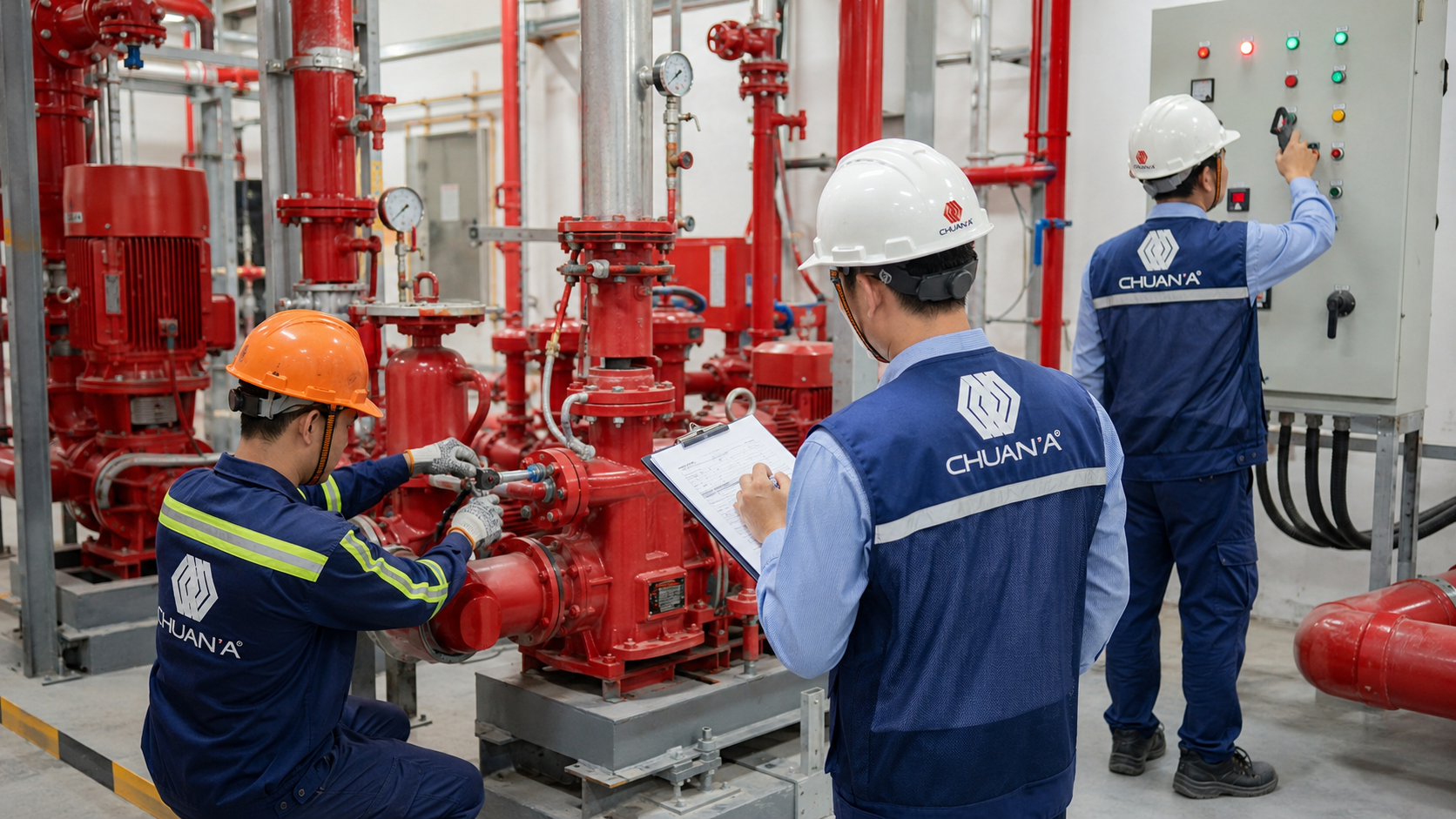
In the realm of industrial facility operations, maintenance expenditures often represent a substantial portion of the annual operating budget. However, not all business leaders fully grasp the core strategic differences between Preventive Maintenance (PM) and Corrective/Reactive Maintenance (CM). Selecting the wrong maintenance strategy doesn't just lead to unexpected production halts; it forces your technical teams into a perpetual "firefighting" mode, severely impacting overall equipment effectiveness (OEE) and employee morale.
To build an optimized factory maintenance blueprint, businesses must thoroughly understand the nature, advantages, disadvantages, and especially the cost-economics of each approach. The following comprehensive guide will provide you with the insights necessary to make a well-informed decision for your industrial maintenance program.
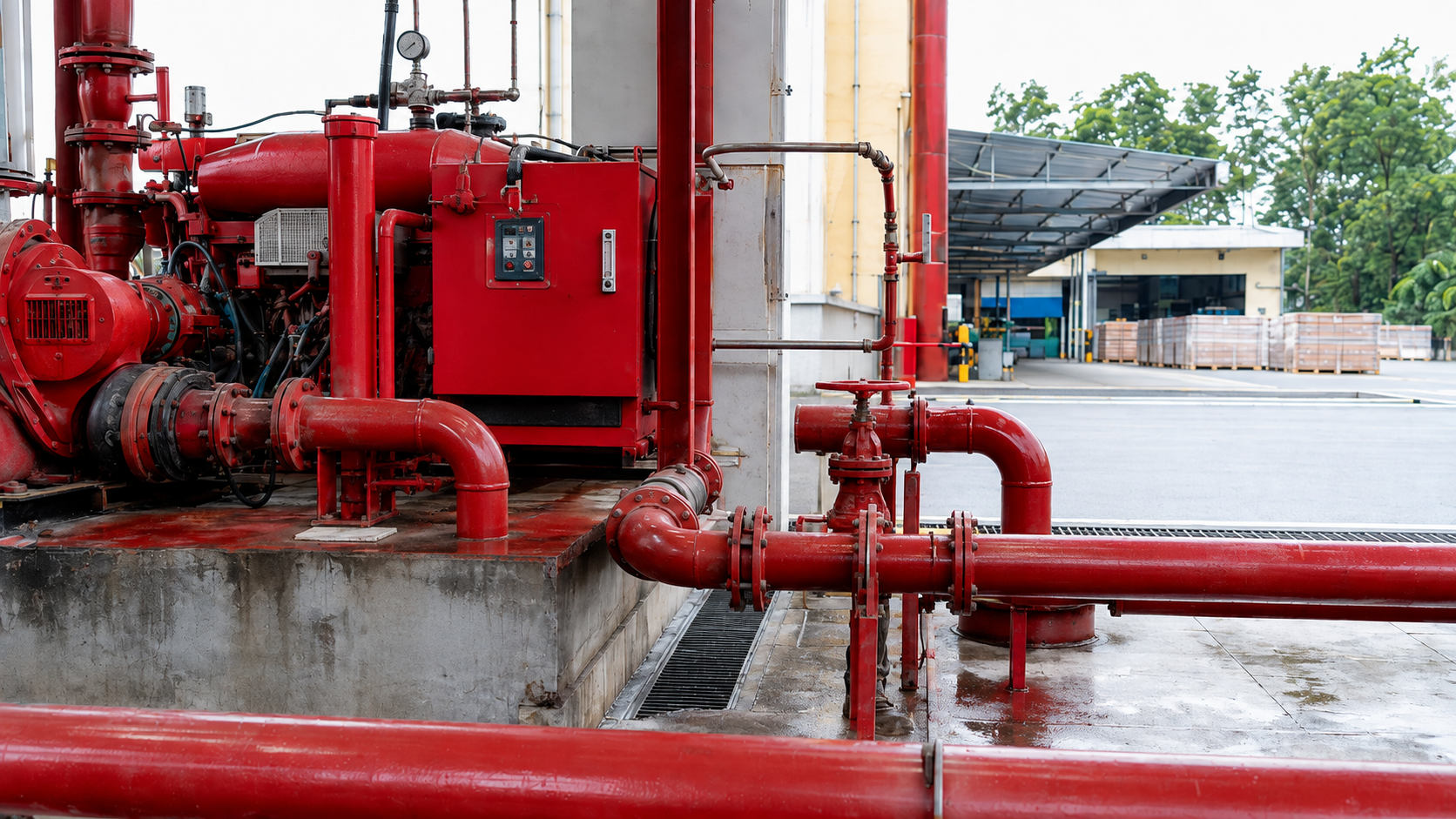
Corrective maintenance, often referred to as reactive or breakdown maintenance, is a strategy where repair or replacement actions are taken only after equipment, systems, or machinery have completely failed or stopped functioning. Simply put, this is the "fix it only when it breaks" approach.
Key Characteristics:
This method is typically suitable for non-critical, low-value assets that are easy and inexpensive to replace, or for scenarios where a temporary stoppage does not significantly impact production capacity.
This is a proactive maintenance approach where inspections, servicing, cleaning, lubrication, and parts replacement are conducted periodically based on a strict schedule—for instance, weekly, monthly, or based on the machinery's operational hours.
Core Objectives:
Typical preventive actions include: changing engine oil, cleaning air intake filters, re-tensioning drive belts, performing vibration analysis on bearings, and testing insulation resistance on power cables.
To answer the core question, "Which approach is better for my factory?", a complete Life Cycle Cost (LCC) analysis is essential.
The Economics of Corrective Maintenance: At first glance, this appears cheaper because it saves on routine labor costs. However, the real-world expenses are staggering: Emergency repair premiums (+30% on parts), Overtime costs for technicians (often 200% of base pay), and the enormous Opportunity Cost from production downtime. Industry data shows that unplanned equipment failures can reduce factory output by 5-20% annually, and the total cost of downtime can easily exceed repair costs by a factor of 10.
The Economics of Preventive Maintenance: The costs here are budgeted and distributed evenly on a monthly/quarterly basis. While the operational expenditure (OPEX) line item looks higher upfront compared to doing nothing, annual total costs for a robust PM program are typically only 60-70% of the total costs caused by a reactive strategy. Crucially, PM costs are predictable and controllable, allowing businesses to forecast cash flow and production schedules accurately.
In reality, almost no modern factory relies 100% on a single maintenance philosophy. A smart and cost-effective factory maintenance strategy actually integrates three levels of sophistication:
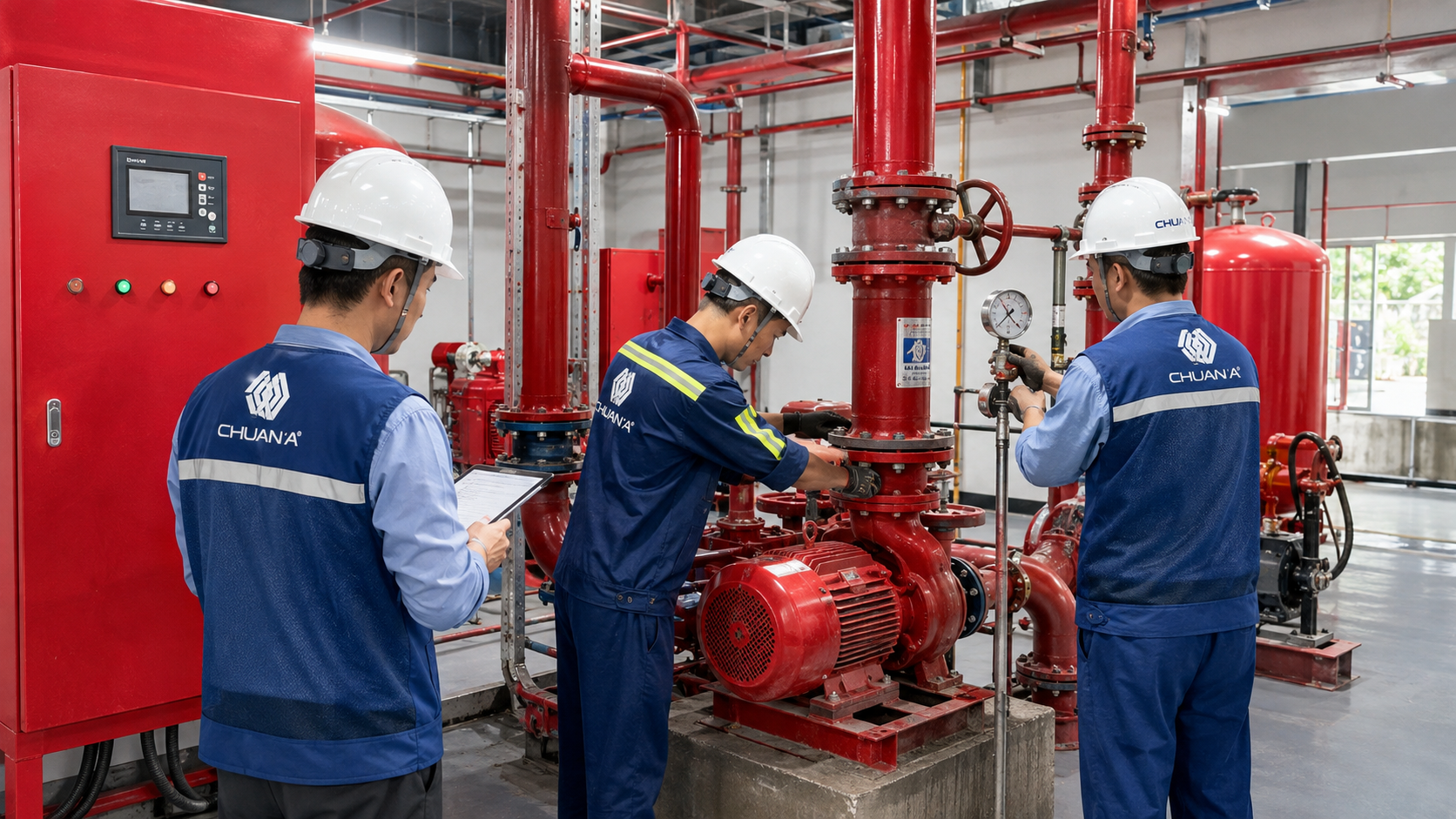
Transitioning your company's mindset from "fixing after failure" to "servicing to prevent failure" requires a culture shift. Start by performing a criticality analysis to categorize all equipment. Next, establish detailed equipment history logs and a digital or physical maintenance calendar. For factories located in industrial hubs like Dong Nai, setting up a standardized maintenance system not only reduces operational overhead but also strengthens your company's reliability and reputation with international partners.
Equally important is investing in the training of your industrial servicing team. Beyond just repairing defects, your technicians must be trained to use predictive tools and their observational skills to identify subtle anomalies (such as unusual vibration, odor, or heat) before they escalate.
There is no "one-size-fits-all" answer to the PM vs. CM question. However, the clear industry trend among modern smart factories is to aggressively increase the ratio of Preventive and Predictive maintenance, using Corrective maintenance only as a last-resort contingency. This strategic shift allows businesses to control operational risks, ensure high Overall Equipment Effectiveness (OEE), and secure continuous profitability.
A site survey identifies which items require servicing, where the installation has diverged from the original design and which areas should be prioritised.
CHUAN A CONSTRUCTION INVESTMENT CORPORATION
Address: Amata Industrial Park Service Centre, Long Binh Ward, Dong Nai Province, Vietnam.
Hotline: 0907 494 549
Email: info@chuana.com.vn
Website:https://chuana.com.vn/
Contact Chuan A to discuss fire protection system surveys and maintenance for factories in Dong Nai.


