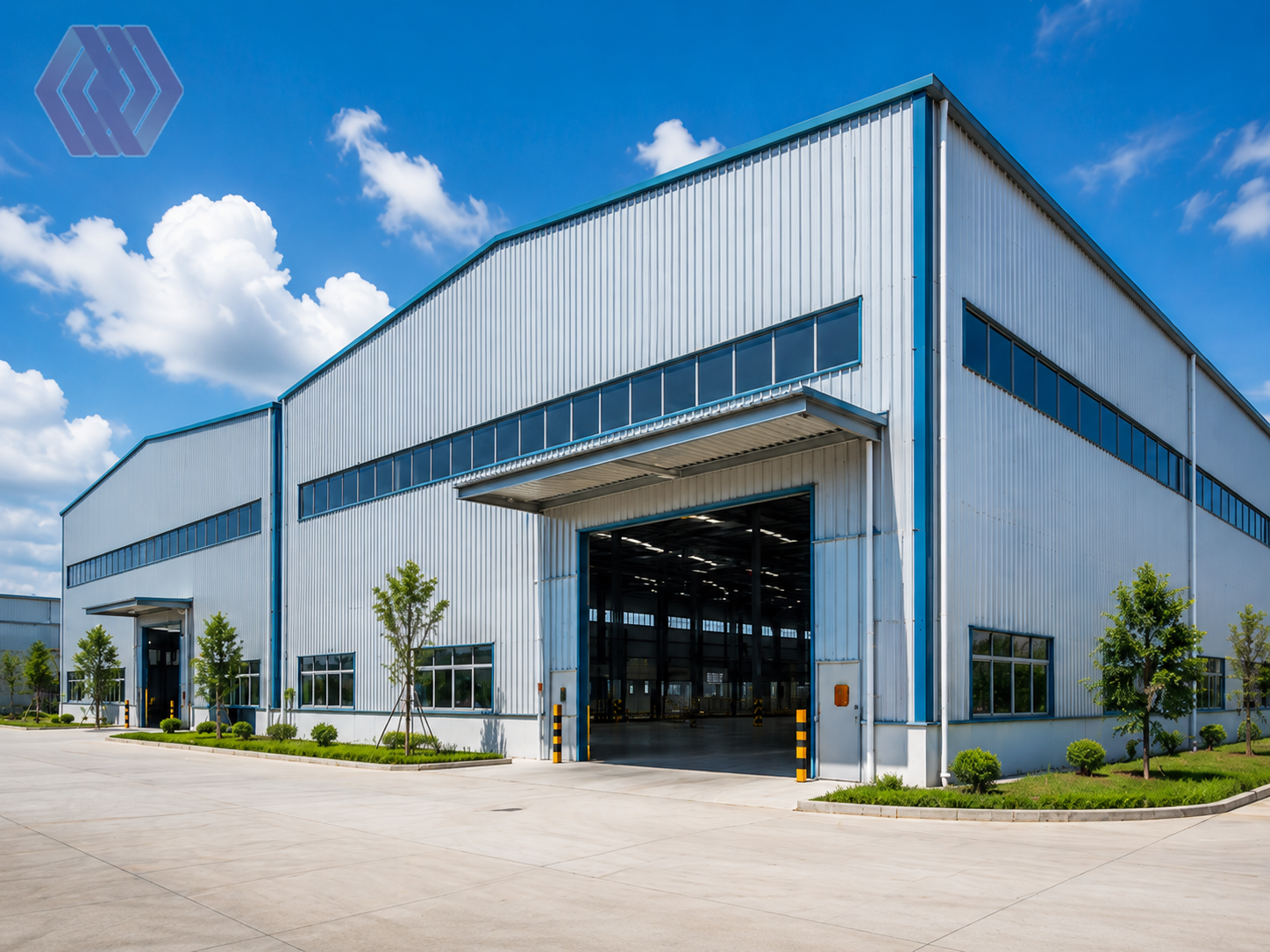
Factory metal roof maintenance should be performed periodically to detect early signs of deterioration, reduce leakage, and extend the lifespan of the roof system. For factories, manufacturing plants, and warehouses, metal roofs cover large areas and are constantly exposed to sunlight, rain, wind, industrial dust, vibration, and temperature changes. If the roof is not inspected at the right time, small issues such as loose screws, cracked rubber washers, clogged gutters, or open sheet overlaps can quickly become major leakage problems.
Many investors only pay attention to the roof when water already drips onto the floor, goods are wet, or production areas are affected. At that point, repair costs are often higher, repair time becomes urgent, and the risk of operational disruption is greater. Roof maintenance is not a minor expense. It is a way to prevent the building from crying rainwater during the busiest business period.
A good maintenance plan helps investors control roof condition, predict repair needs, allocate budget, and avoid emergency repairs during the rainy season. In industrial buildings, being proactive is always cheaper than being surprised.
Factory metal roof maintenance is the process of inspecting, cleaning, repairing minor defects, and periodically evaluating the entire metal roof system. This work does not only include roofing sheets, but also screws, rubber washers, sheet overlaps, ridge caps, edge trims, flashing, gutters, downpipes, roof penetrations, and wall junctions.
The goal of maintenance is to detect early problems that may cause leakage, corrosion, standing water, gutter overflow, or reduced roof durability. When problems are found early, investors can handle them locally at a more reasonable cost instead of replacing the roof or repairing large areas after the issue spreads.
Roof maintenance also helps contractors or technical teams keep condition records, including photos, defect locations, repair items, and maintenance history. This information is very useful for future inspections, like a health record for the roof system.
The first reason is early leak risk detection. Many leaks begin with small defects such as loose screws, aged washers, open sheet overlaps, or peeling sealant. If these issues are inspected early, they can be repaired before heavy rain allows water to enter the building.
The second reason is longer roof lifespan. A roof that is cleaned and maintained properly is less likely to hold debris, standing water, corrosion, and local deterioration. Treating small rust spots early helps prevent wider corrosion on the roof surface.
The third reason is production protection. Roof leakage can wet goods, affect machinery, create slippery floors, damage electrical equipment, and disrupt production lines. Maintenance reduces this risk before it knocks with the sound of rain.
The fourth reason is long-term cost optimization. Repairing a few screw points or cleaning gutters is usually much cheaper than fixing widespread leaks, replacing many roofing sheets, or dealing with damage inside the factory.
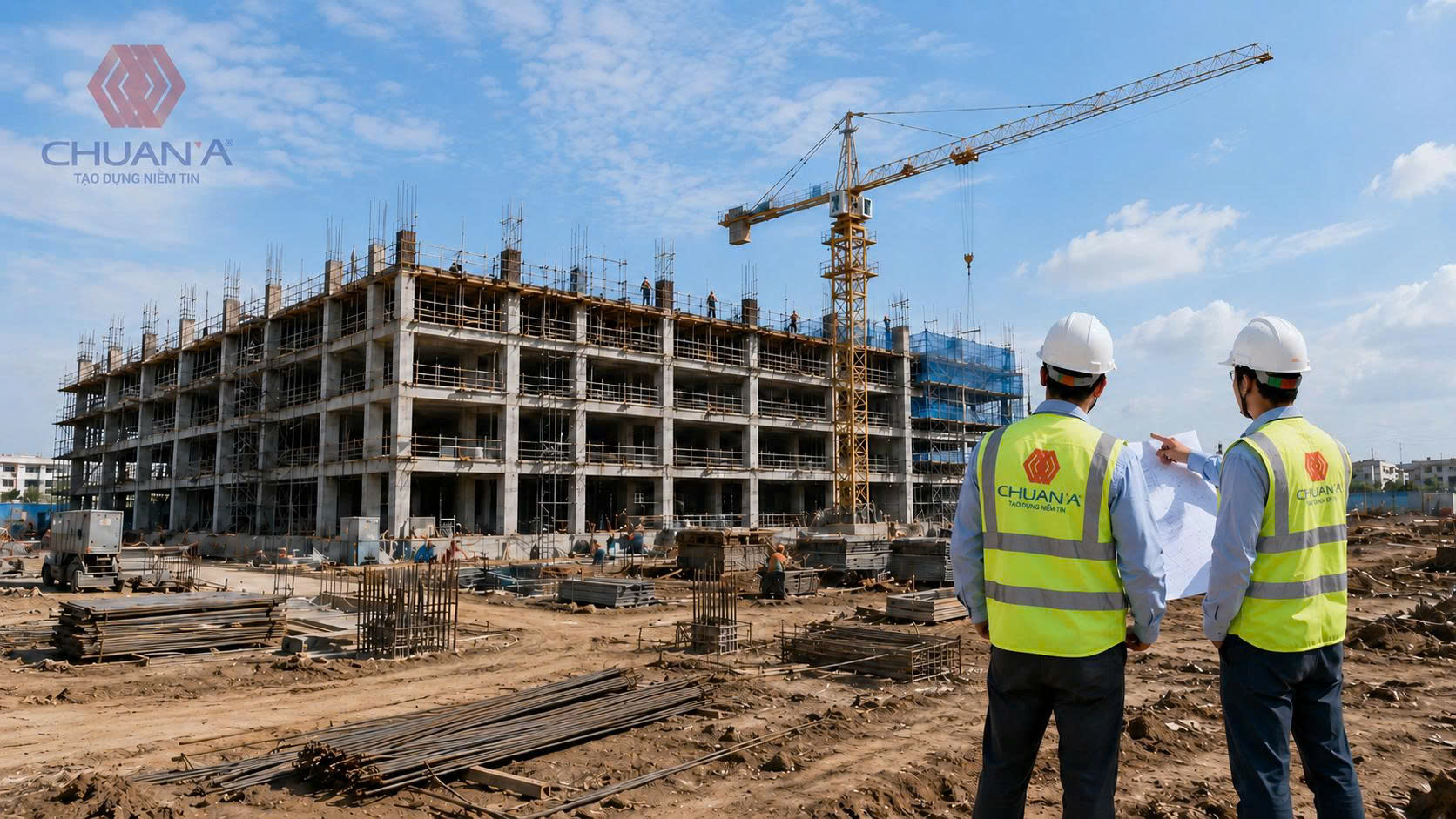
The most important time is before the rainy season. This is when the entire roof, gutters, downpipes, and leak-prone points should be inspected to prepare for the highest-risk weather period.
The second time is after the rainy season. After months of heavy rain, strong wind, and continuous water flow, the roof may have loose screws, peeling sealant, clogged gutters, or new corrosion spots. Post-rainy-season inspection helps evaluate the roof and plan repairs.
The third time is after heavy storms or strong winds. If the building has just experienced abnormal weather, investors should perform a quick inspection to detect shifted sheets, open ridge caps, gutter overflow, or foreign objects on the roof.
The fourth time is before renovation, expansion, or functional conversion. When the building is about to be upgraded, roof inspection helps determine whether reinforcement, roof replacement, gutter renovation, or leak-prevention work is needed before new operation begins.
Roofing sheets should be checked for corrosion, holes, dents, deformation, fading, coating peeling, or cracks. Deteriorated sheet areas are often where water remains, dust collects, or weather impact is strongest.
Sheet overlaps are the areas where roofing sheets overlap. They should be checked for gaps, misalignment, missing screws, bent edges, or signs of reverse water seepage. This is one of the most common leak-prone areas during heavy rain with wind.
Roofing screws and rubber washers require careful inspection because each screw hole penetrates the roof surface. Corroded screws, loose screws, cracked washers, or deformed washers can all create water entry paths.
Ridge caps and edge trims should be checked for gaps, misalignment, peeling sealant, missing screws, or corrosion. These areas are often exposed to wind-driven rain and can be affected if installation or maintenance is poor.
Gutters and downpipes should be cleaned and checked for slope, joints, holes, corrosion, and drainage capacity. Clogged gutters can cause water to overflow back into the roof even when roofing sheets are still good.
Roof penetrations such as exhaust fans, ventilation pipes, technical pipes, equipment bases, or skylights should be checked for flashing, sealant, and junction gaps. These areas have high leakage risk when materials expand, contract, or deteriorate.
The first sign is dripping water, water stains, or damp smell inside the factory after rain. Even if the water amount is small, investors should inspect early because a small drip may be the visible part of a larger water path.
The second sign is gutter overflow, water pouring from roof edges, or water remaining in gutters long after rain. This may indicate clogged gutters, insufficient slope, insufficient downpipes, or sagging gutters.
The third sign is widespread corrosion on the roof. Rust does not only affect appearance. It gradually makes roofing sheets thinner, weaker, and more likely to develop holes.
The fourth sign is unusual noise during wind. If the roof vibrates, rattles, or makes metal impact sounds, there may be loose sheets, damaged screws, or shifted accessories.
The fifth sign is an area under the roof becoming hotter, more humid, or showing falling dust from the roof layer. This may relate to insulation problems, old roofing sheets, open gaps, or deteriorated materials.
Step 1: Overall survey. The technical team inspects the exterior roof, factory interior, visible leakage areas, gutters, roof penetrations, and roofing sheet condition.
Step 2: Defect listing. Problems are recorded by location, severity, and risk level. Photos should be taken before repair for documentation.
Step 3: Roof and gutter cleaning. Debris, leaves, industrial dust, mud, and foreign objects should be removed from the roof surface, gutters, collectors, and downpipes.
Step 4: Minor defect repair. The contractor may tighten screws, replace damaged screws, replace rubber washers, treat sheet overlaps, reinforce ridge caps, apply leak-prevention material where needed, or repair gutter joints.
Step 5: Recommend major repairs if needed. If the roof has widespread corrosion, many holes, weak purlins, deteriorated gutters, or repeated leakage, a separate repair or replacement plan should be prepared.
Step 6: Post-maintenance inspection. After repair, treated areas, drainage performance, and leak-prevention points should be checked again. Water testing can be performed in suitable areas if needed.
Step 7: Maintenance record. The record should include inspection date, repaired items, defect locations, before-and-after photos, and recommendations for the next maintenance cycle.
Gutters cannot be ignored during factory roof maintenance. Many leaks come from clogged gutters, open joints, corroded gutter bottoms, or downpipes that cannot drain water fast enough.
During maintenance, all debris inside gutters should be removed, gutter slope should be checked, collectors should be inspected, downpipes should be cleared, and joints should be observed. If water remains in gutters for too long, the cause may be poor slope, gutter sagging, or blocked drainage.
A well-functioning drainage system reduces pressure on sheet overlaps, screws, ridge caps, and junction areas. A metal roof cannot stay healthy if its gutters are quietly clogged like a bottleneck in the sky.
Roofing screws and rubber washers are small details with a major role in leak resistance. After long use, screws may corrode, loosen, or lose holding strength. Rubber washers may crack, harden, or deform because of sun and rain.
During maintenance, screw rows should be inspected carefully, especially at roof edges, sheet overlaps, ridge caps, and areas exposed to strong wind. Damaged screws should be replaced with the correct type and length, then tightened with proper force to avoid deforming roof ribs.
Investors should not only apply sealant around damaged screws while ignoring screw and washer condition. Sealant may help temporarily, but if the screw is loose or the washer has failed, water can return during the next rain.
Roof penetrations include exhaust fans, ventilation pipes, technical pipes, equipment bases, skylights, or technical accessories passing through the roof. These areas are prone to leakage because the roof surface is cut, drilled, or has altered water flow.
During maintenance, flashing, sealant, junction gaps, fasteners, and corrosion around penetrations should be inspected. If old sealant is peeling or cracked, the surface should be cleaned before new material is applied so it can bond properly.
For large equipment, temporary sealant patching is not enough. Proper covering details and clear drainage direction are required so water does not remain around equipment bases.
The first mistake is treating only the dripping point without finding the real water path. Water can enter from a higher location and travel along purlins or roofing sheets before dripping inside.
The second mistake is using unsuitable sealant or applying it on dirty, wet, or corroded surfaces. If the surface is not cleaned properly, the sealant layer can peel off quickly.
The third mistake is ignoring gutters. Many people patch roofing sheets but do not inspect gutters, while the real cause may be backflow from weak drainage.
The fourth mistake is not ensuring safety while working at height. Roof maintenance requires safety harnesses, suitable shoes, helmets, warning zones below, and falling-object prevention.
The fifth mistake is not keeping maintenance records. Without records of repaired locations, future inspections must start from zero again, like searching for one screw in a maze of metal waves.
For simple tasks such as observing leakage signs inside the factory, recording water stain locations, or performing visual checks from the ground, investors can do this internally. However, roof work, gutter treatment, screw replacement, penetration waterproofing, and high-area inspection should be handled by trained teams with proper safety equipment.
Factory roofs are often high, wide, and risky to walk on. Without experience, climbing onto the roof may be more dangerous than the cost of hiring a maintenance team. Professional contractors can also identify leak causes more accurately and recommend suitable solutions.
For operating factories, hiring professionals also helps reduce risks to production, goods, and equipment below. Roof maintenance is not only roof repair. It is safety management for the whole building.
CHUAN’A provides industrial construction, metal roof installation, leak repair, and factory maintenance solutions. For factory metal roofs, CHUAN’A focuses on surveying the whole roof system instead of treating only one isolated defect.
The maintenance process may include inspection of roofing sheets, screws, rubber washers, sheet overlaps, ridge caps, gutters, downpipes, roof penetrations, wall junctions, and corrosion signs. This integrated inspection helps identify the correct cause and reduce repeated leakage.
For factories, manufacturing plants, and warehouses in Dong Nai, Bien Hoa, Binh Duong, and nearby areas, periodic roof maintenance with CHUAN’A helps investors prepare for rainy seasons, reduce emergency repair costs, and extend building lifespan.
How often should a factory metal roof be maintained?
It should be inspected before and after the rainy season. Older factories, previously leaking roofs, or buildings located in dusty or tree-covered areas should be inspected more frequently.
What does metal roof maintenance include?
Maintenance usually includes checking roofing sheets, screws, rubber washers, sheet overlaps, ridge caps, edge trims, gutters, downpipes, roof penetrations, debris cleaning, and treating leak-prone areas.
Does a newly installed metal roof still need maintenance?
Yes. A new roof should still be inspected periodically to detect loose screws, clogged gutters, open junctions, or issues caused by weather and operation.
Can maintenance completely stop roof leakage?
Maintenance helps reduce leakage risk and repair minor problems early. However, if the roof is heavily corroded, has many holes, weak purlins, or a poorly designed drainage system, major repair or roof replacement may be required.
Factory metal roof maintenance is essential for early defect detection, leakage reduction, roof lifespan extension, and protection of production activities inside the building. Investors should periodically inspect roofing sheets, screws, rubber washers, sheet overlaps, ridge caps, gutters, downpipes, and roof penetrations, especially before and after the rainy season. A good maintenance plan helps businesses reduce emergency repair costs and operate more proactively. CHUAN’A can support investors with survey, consulting, and factory metal roof maintenance in Dong Nai, Bien Hoa, Binh Duong, and nearby areas.
CHUAN'A CONSTRUCTION INVESTMENT JOINT STOCK COMPANY


